











Skip to content

Cart

Your cart is empty

Rhino-Being-Fed-_-Weighed-VSCO

© Care for Wild

Care for Wild Rhino is the largest rhino sanctuary in the world, dedicated to saving all rhino lives. Renowned for its pioneering work in the rescue of all injured rhinos from orphans to adults, its dedication to rehabilitation and rewilding, as well as the long-term protection of endangered black and white African rhinos. 

Founded in 2011 by Petronel Nieuwoudt—who brings over three decades of distinguished wildlife conservation expertise—the sanctuary welcomed its first orphaned calf in 2012. Developed in a critical partnership with the South African National Parks Service (SANParks) to combat the devastating poaching crisis.

Nestled within 28,000 hectares of protected wilderness inside the Barberton Nature Reserve in Mpumalanga, South Africa (near the Greater Kruger area) Care for Wild is a safe haven for orphaned rhinos, injured adults and those reintroduced to the wild. Their facility features a specialised, state-of-the-art wildlife hospital and highly secure breeding strongholds where rewilded rhinos can safely breed under 24/7 protection from poachers.

Care for Wild takes a deeply holistic approach to conservation. They recognise that a sustainable future requires protecting both the species and their fragile habitats, which is why their program actively includes, educates, and empowers local communities to create lasting ecological and socio-economic change.
Rescue-Rhino-01


Rescue


© Care for Wild

When an injured rhino or abandoned calf is found, specialised rescue teams deploy via vehicle or helicopter depending on the location, transporting them directly to the Intensive Care Unit (ICU) at Care for Wild. To lessen stress, blindfolds and earplugs are used to help reduce sensory stimuli during this deeply traumatic time. 

Rhino rescues can be extremely harrowing due to the terrible injuries caused by machetes and other weapons used by poachers. Furthermore, injured rhinos and orphaned babies are highly susceptible to attacks from predators, and young calves simply cannot survive without the protection and nutrition provided by their mothers. 

Orphaned rhinos are taken to the ICU, where they remain for their initial stabilisation period. A team of dedicated caregivers tends to them around the clock, working alongside veterinary teams to treat everything from severe machete wounds to extreme dehydration and the appropriate pain medication is administered.
Rehab-02_66e113a7-b9c2-4cfe-b1a5-8b6f5f470ab6


Rehabilitation


© Care for Wild

Care for Wild’s rehabilitation programme is founded on a deep knowledge of rhinos' physical needs and intricate social dynamics. 

Once stabilised, orphaned calves—whether left vulnerable by violent poaching or losing their mothers to natural causes—move from the ICU to the Intermediate Care Facility where caregivers step into the maternal role to form a vital bond. The social bonds these rhinos form with fellow orphans play a crucial role in healing their deep emotional trauma and preparing them for a life back in nature. As they grow, they transition to larger enclosures to foster independence, preparing them for the wild while maintaining a secure environment. 

In addition to raising calves, Care for Wild operates specialised juvenile and adult treatment facilities, providing tailored medical care and rehabilitation programmes suited to the unique needs and circumstances of rhinos at any age. 
Wild_02


Rewild


© Care for Wild

The success of Care for Wild's phased rewilding programme was notably evidenced by a historic milestone in 2022, when a calf was born to two parents who were both orphaned by poaching and successfully released back into nature. This breakthrough highlights the sanctuary's ultimate goal: to establish viable, self-sustaining breeding populations within healthy ecosystems, where rhinos play a crucial role in preserving biodiversity. As mega-herbivores, rhinos act as landscape engineers, shaping vegetation and creating vital habitats for countless other species. 

Successful rewilding for rhinos carries extraordinary challenges due to the relentless threat of the poaching crisis. True long-term safety demands vast amounts of protected space, critical operational resources, and round-the-clock 24/7 monitoring by dedicated anti-poaching teams. By securing these intensive protection and logistical operations, the programme ensures these animals can live truly wild lives, effectively safeguarding a keystone species and restoring the natural balance of the landscape for generations to come.

© Care for Wild, now over 20 years of impact

© Care for Wild


Protection + Security

To safeguard the future of rhinos within their area of operations—the Greater Barberton Nature Reserve in Mpumalanga—Care for Wild utilises a comprehensive security strategy. This includes a critical intelligence network, electric fencing systems, strict gate regulations, 24/7 patrols, the deployment of highly trained K9 units and mounted rangers. Alongside these physical patrols, various advanced technologies, such as cameras, thermal imaging, sensors, and artificial intelligence, are integrated to help guide and optimise their tactical strategies.

K9 units are an integral part of Care for Wild's anti-poaching efforts. The handlers work side by side with highly trained breeds such as German Shepherds and Belgian Malinois, specially selected for their intelligence, trainability, and suitability for working in challenging terrain. These tracking dogs are game-changers in the field; their advanced scent receptors allow them to follow hours-old tracks through dense bush, moving at speeds that far outpace human tracking teams alone. Able to bypass confusing visual terrain, they can pinpoint hidden ammunition, firearms, and poachers with incredible precision, while their acute hearing alerts rangers to nearby dangers long before they can be seen. 

Another animal playing a vital role in the fight to save rhino lives is the horse, serving within Care for Wild's mounted patrol. The mounted units are particularly effective in areas where conventional modes of transportation, such as vehicles, are unfeasible or inadequate. Horses can effortlessly manoeuvre through difficult and dense terrain, enabling riders to monitor wildlife activity and patrol remote, rugged regions. They also cover vastly greater distances than standard foot patrols, extending critical surveillance to isolated wilderness zones that are highly vulnerable to poaching.

As much-loved members of the team, the well-being of the dogs and horses is a constant priority, reflecting the core belief that healthy, thriving animals are essential parts of an effective anti-poaching unit.

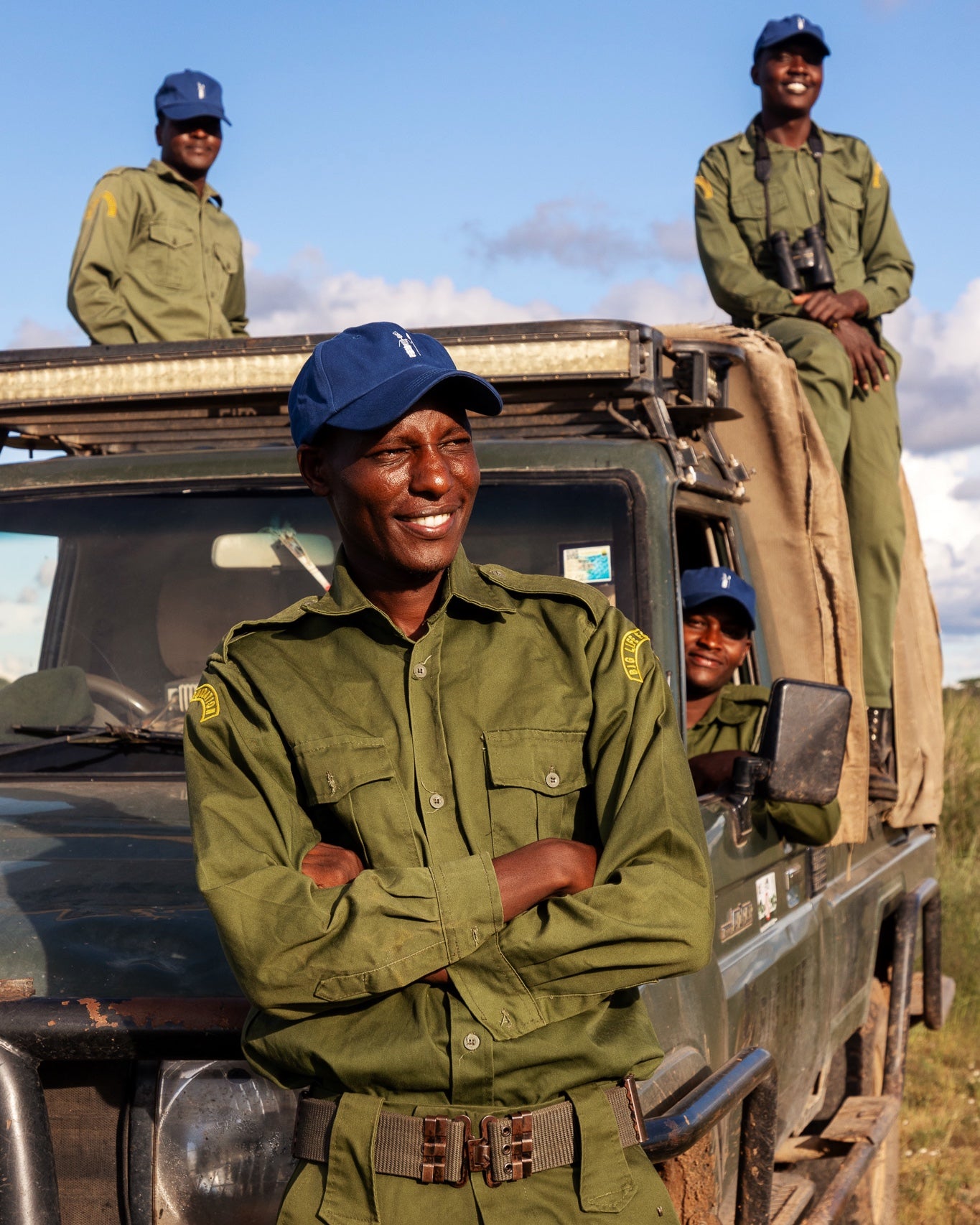
Lastly, at the heart of the sanctuary’s frontline defence are the rhino monitors—dedicated men and women who put their lives on the line daily to protect this endangered species. Many have been with Care for Wild since its inception, coming from diverse backgrounds ranging from ex-military personnel to former herdsmen, bringing with them unique skill sets to protect the rhinos and preserve the greater ecosystem. To maximise their impact, they take advantage of advanced technologies that increase their field effectiveness, such as EarthRanger technology, AI tracking monitors, remote cameras, and drones.

Anti-Poaching-04-VSCO


© Care for Wild

Anti-Poaching-03-VSCO


© Care for Wild

Anti-Poaching-02-VSCO


© Care for Wild

Anti-Poaching-01-VSCO_bde9b345-20dd-4005-9f3c-1c4a598b1aca


© Care for Wild


Habitat Protection & Community Outreach

Care for Wild recognises that saving a species is impossible without safeguarding the land they call home, making comprehensive habitat protection a core pillar of their strategy. The sanctuary actively manages and restores the diverse ecosystems within its vast reserves, working tirelessly to eradicate invasive plant species, restore indigenous flora, and implement sustainable rangeland management practices. By rehabilitating degraded landscapes, they ensure the environment can naturally support thriving populations of rhinos and other native wildlife, preventing biodiversity loss while securing vital resources like healthy soil and clean water systems.

Crucially, rather than separating local communities from this land, the sanctuary actively integrates them into the heart of this conservation economy. Understanding that the long-term survival of the rhino relies on the prosperity of its human neighbours, Care for Wild fosters local employment, uplifts small businesses, and invests in sustainable farming initiatives. Through these partnerships, community members are directly employed in these large-scale environmental stewardship efforts. Guided by tailored education and skills development, nearby rural populations are empowered to become the true guardians of the surrounding wilderness—proving that when local communities thrive, the entire habitat thrives too.
Screenshot_2026-07-11_at_144123-VSCO


© Care for Wild

Screenshot_2026-07-11_at_144130-VSCO


© Care for Wild


Shop to save rhinos

PP-DEBUG: Current path: /pages/care-for-wild-rhino