












If we do not do something to prevent it - Africa's animals, and the places in which they live, will be lost to our world and her children forever - Mandela
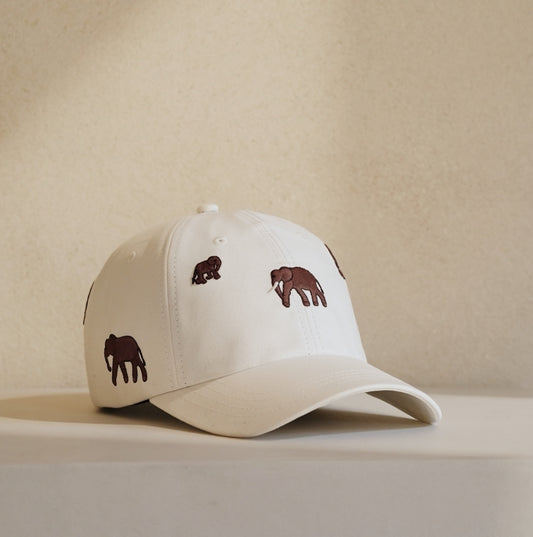
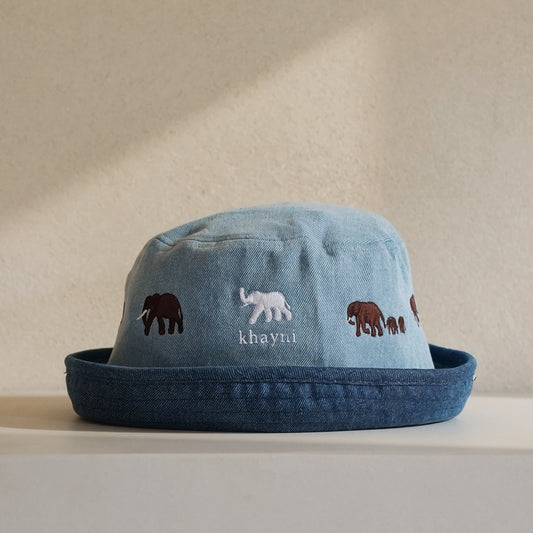
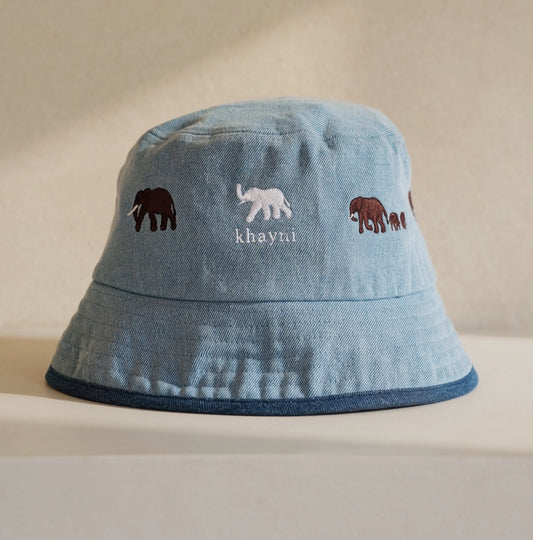
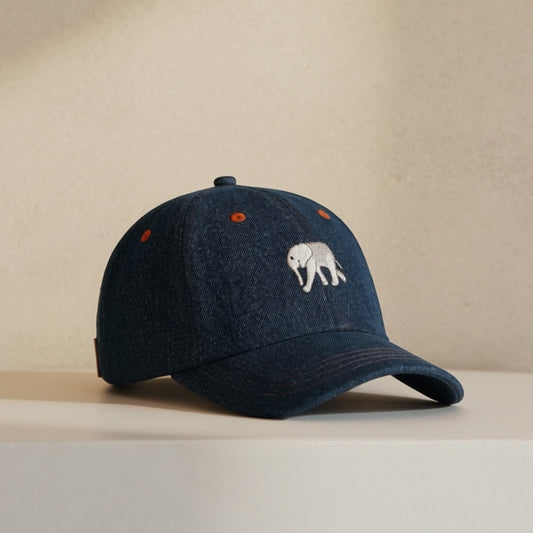
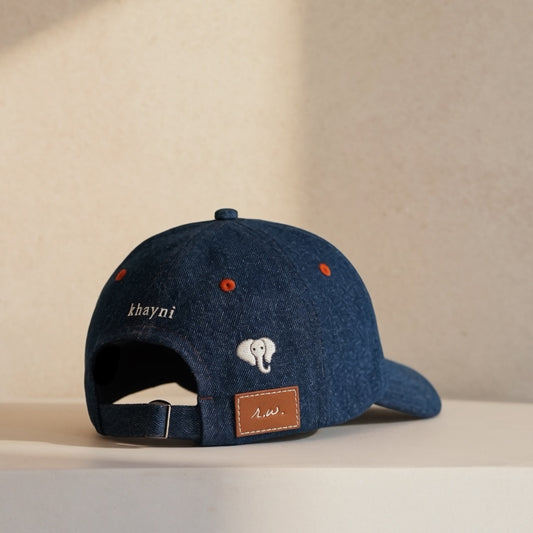
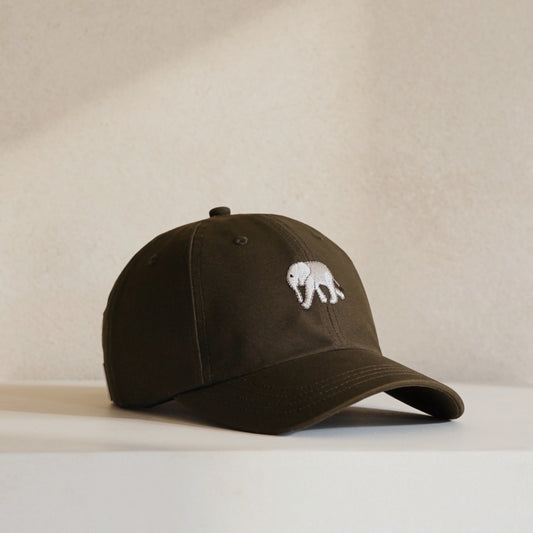
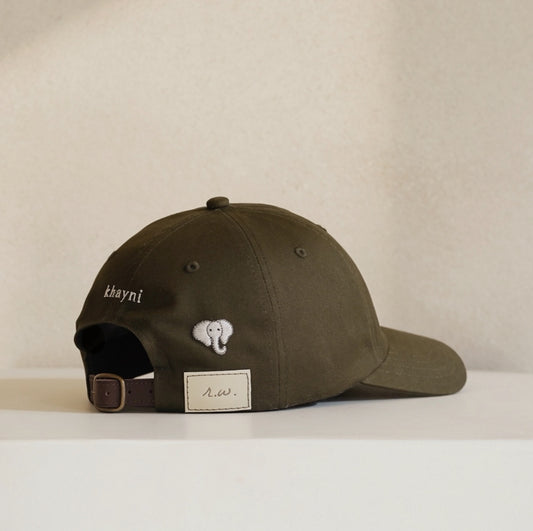
caps for conservation
© Reteti
Sadly human and wildlife conflict can lead to orphaned animals. To right this wrong, conservation teams will intervene to save the wild life.
Being orphaned is a highly traumatic life event. Animals are highly sensitive and intelligent creatures with complex social structures. The healing journey for an orphaned animal is two fold, physical and psychological. Physical wounds are attended to immediately with mobile vet units providing treatment to help stabilise the animal before transport with on-going individualised and specialist care. Psychological healing is a lengthier process, as time is needed for them to grieve. The individuals who help the animals with this part of their recovery are known as Keepers. They dedicate their lives to living with orphaned animals, taking on the role of their mother to provide around the clock nurturing, love, support and life lessons.
There is an African proverb - "we desire to pass on two things to our children; the first is roots and the second is wings" and this is the mission with rescuing orphans, to give them confidence in their roots whilst fostering independence so they can live life fully as wild adults. To facilitate this, conservation projects need to have structured rehabilitation programs that allow the orphans to navigate the journey to wild living whilst still under the keepers protection and guidance until they are ready to fly the nest.
Poaching of high value products such as elephant tusks and rhino horn is still a significant threat. Poachers will use poisoned arrows, guns and spears to target animals leading to a cruel, slow and agonising death. At the start of 1900's Africa had 10 million elephants, by 1970 it had reduced to 1.3 million and today just over 400,000 with 20,000 still being slaughtered each year. A sad and familiar story for rhinos reducing from 500,000 to 70,000 with just over 22,000 today. Many other species are in serious decline and threatened with extinction.
The growing trade of bush meat poaching, fuelled by poverty and food insecurity is also of grave concern. Poachers use indiscriminate snare traps as they are inexpensive. Snares form a deadly noose around the animals neck or leg, causing sever injury, slow suffering and excruciating pain. If an animal caught in a snare is not found and treated by a mobile vet unit it can be days or weeks before they succumb to their injuries. If they are able to survive they are left with permanent, life changing injuries. This form of poaching is also of deep worry for biodiversity conservation.
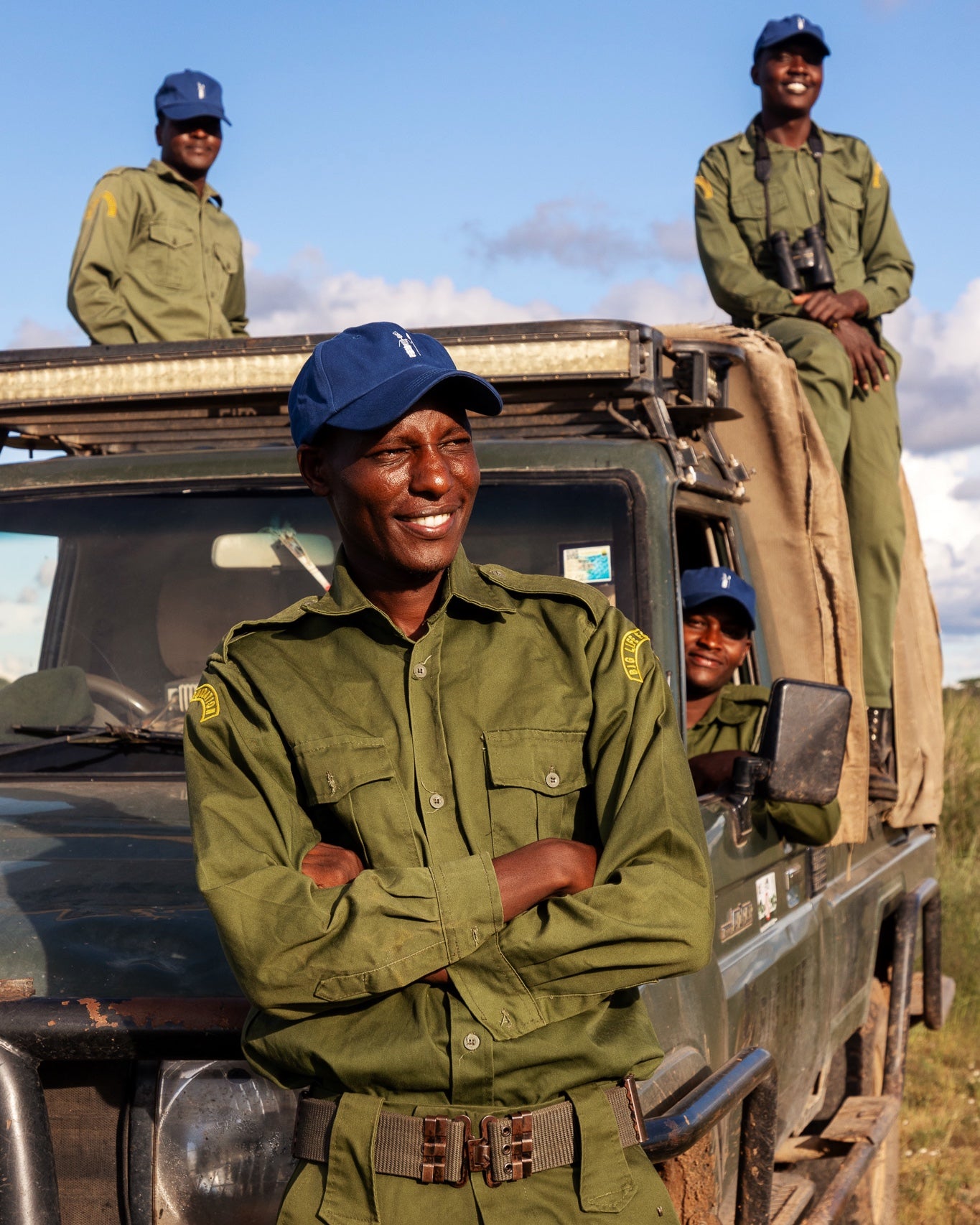
To defend against poaching projects include air, foot and canine patrols. Work includes removal of threats such as snares, seizure of weapons, arresting poachers and alerting teams of animals in need.
Wildlife conservation is greatly supported with patrols by bush planes and helicopters. Pilots gain an essential aerial perspective for monitoring vast, often impassable areas which significantly enhances anti-poaching efforts, wildlife management and ecological monitoring.
They play a key role in anti-poaching and surveillance, conducting regular patrols to spot illegal activities such as poaching camps and human encroachment in protected areas. The rapid response time of the aircraft helps to disrupt poacher activity and guide ground rangers to precise locations of threats.
Aircrafts are essential for logistics and emergency support, transporting rangers, veterinarians, equipment to remote areas that would take ground teams hours or days to reach by vehicle. Logistically they provide great help with mobilising and moving large animals, either out of harms way, or during veterinary missions. They also play a crucial role in emergency situations, such as rescuing orphaned or injured animals, extracting injured personnel or searching for anyone lost in the bush.
During patrols pilots will survey from the air, using cameras and GPS. They can provide general as well as annual censuses of populations which is important data for assessing population health and developing long-term conservation strategies.
© Reteti
Sky vets are of considerable importance to conservation efforts as they provide life-saving care for wildlife emergencies with aircrafts enabling rapid response and access to remote areas for treatment, relocation and rescue.
Mobile veterinary units are also of significant value. These are equipped vehicles which are customised to include darting hatches, dart guns, equipment shelves, vaccine refrigerators, operating table and necessary medicines.
Wild animals may find themselves in need of emergency care. Injured from poaching and human conflict, or trapped, wounded and exhausted from falling down a well or stuck in mud. In these situations, human intervention is required to save the wild life. Often these animals are spotted by teams on aerial or foot patrol. If an animal is trapped in a location, it still may take hours or days for teams and heavy machinery to reach the area to start the rescue. If the animal is injured but still mobile, it may take pilots hours to relocate or even days and weeks for teams to see them again and be able to respond quickly. All of the teams and methods of response have to work in tandem to get care to the animal in need.
Unless orphaned or in need of further medical intervention, injured animals will be sedated, treated, woken up and left to recover in their normal environment in the wild.
Saving Habitats
We have to save the places where animals live in order for them to have a future.
Habitat conservation focuses on protecting diverse ecosystems from threats like habitat loss, poaching, droughts and fires. Projects that assist with managing protected areas are aerial monitoring, anti-poaching, water for wildlife, creating wildlife corridors, reintroducing species and growing sustainable tourism which benefits both the locals and wildlife.
Community Outreach
Conservation is as much about people as it is the wildlife, if we want a long term harmony.
Rural communities, which boarder the national parks and protected areas are often very poor and when their resources, existence and survival is threatened by wildlife there will naturally be conflict. The long term goal is to have solutions that address the root cause so humans, habitats and wildlife are no longer in conflict and we do not see injured, dead and orphaned wildlife from poaching and loss of habitats.
It requires a multi-pronged approach, focusing on the youth with education programs, school support and field trips to engage and create the next generation of conservationists and to provide employment for all tribes and communities so they can benefit from the protecting and preservation of habitats and wildlife.
Creating diverse employment opportunities will bring long term success, offering field jobs in conservation such as rangers or keepers to a multitude of jobs that sustainable tourism brings. From guides to scouts to management or housekeeping, these teams become the best ambassadors for Africa with visitors falling in love with their cultures as well as the wildlife and land. Whilst very important, lockdowns did show the vulnerability of becoming too reliant on tourism and we must create more flexible economies. It was a motivator behind starting Khayni as trading in their objects is a means of income generation for them through their traditional craftsmanship which has a positive impact on communities, habitats and wildlife. We also need to find effective solutions to end human and wildlife conflict with subsistence agriculture as food insecurity along with poverty leads to a rise in bush meat poaching. A great example are bee fences, that help deter elephants from destroying farmers crops in search of easy food, leaving the fields intact and families able to feed themselves.