












Skip to content

Cart

Your cart is empty

Screenshot_2026-07-03_at_07

© Elephant Havens

Elephant Havens is a specilaised elephant orphanage located along the Gomoti River on the edge of the Okavango Delta in northwest Botswana, founded in 2017 to rescue, rehabilitate, and protect orphaned baby elephants. 

The sanctuary was the vision of Boago "Bee" Poloko, a third-generation conservationist and former elephant handler at Abu Camp, who recognized the urgent need for a dedicated refuge after helping care for an orphaned calf named Naledi. Bee brought his vision to life alongside Dallas-based real estate lawyer Scott Jackson and his wife Debra Stevens, who originally funded the non-profit's launch through an intensive resource drive. 

Today, Elephant Havens fulfills its core mission of preserving African elephants while simultaneously building healthy relationships with the local community through vital outreach programs, including essential community water projects, a regional food bank initiative, educational school trips, and local employment opportunities.
Sheldrick Wildlife Trust - Baby Elephant Rescue


Rescue


© Elephant Havens

When an abandoned elephant is found, specialised rescue teams deploy via vehicle, bush plane, or helicopter depending on the location, and transport confirmed orphan calves directly to Elephant Havens. 

Once the calf arrives, it undergoes immediate medical testing at Elephant Havens' on-site laboratory to deliver critical health results within the hour. This rapid diagnostic turnaround allows handlers to establish a highly customised care plan, ensuring the orphan receives precise medical attention and around-the-clock comfort in a safe, peaceful environment as they begin their recovery journey. Because elephant calves are highly sensitive and require continuous nutrition, this immediate lab work is critical for formulating the exact infant milk formula and probiotic blend necessary to prevent fatal gastrointestinal issues during their first 24 hours in the boma. From the lab, the care plan moves directly into the sanctuary's specialised milk preparation kitchen. 
Sheldrick Wildlife Trust - Baby Elephant Rescue


Raise


© Elephant Havens

At Elephant Havens, dedicated keepers provide around-the-clock care for the orphaned elephants, stepping into the role of their mother to form a vital maternal bond. As the orphans age, these handlers gently foster independence while continuing to act as a secure safety blanket under which the calves can learn and grow. The social bonds the elephants form as a herd play a crucial role in both their emotional healing journey and their preparation for a life back in nature. 

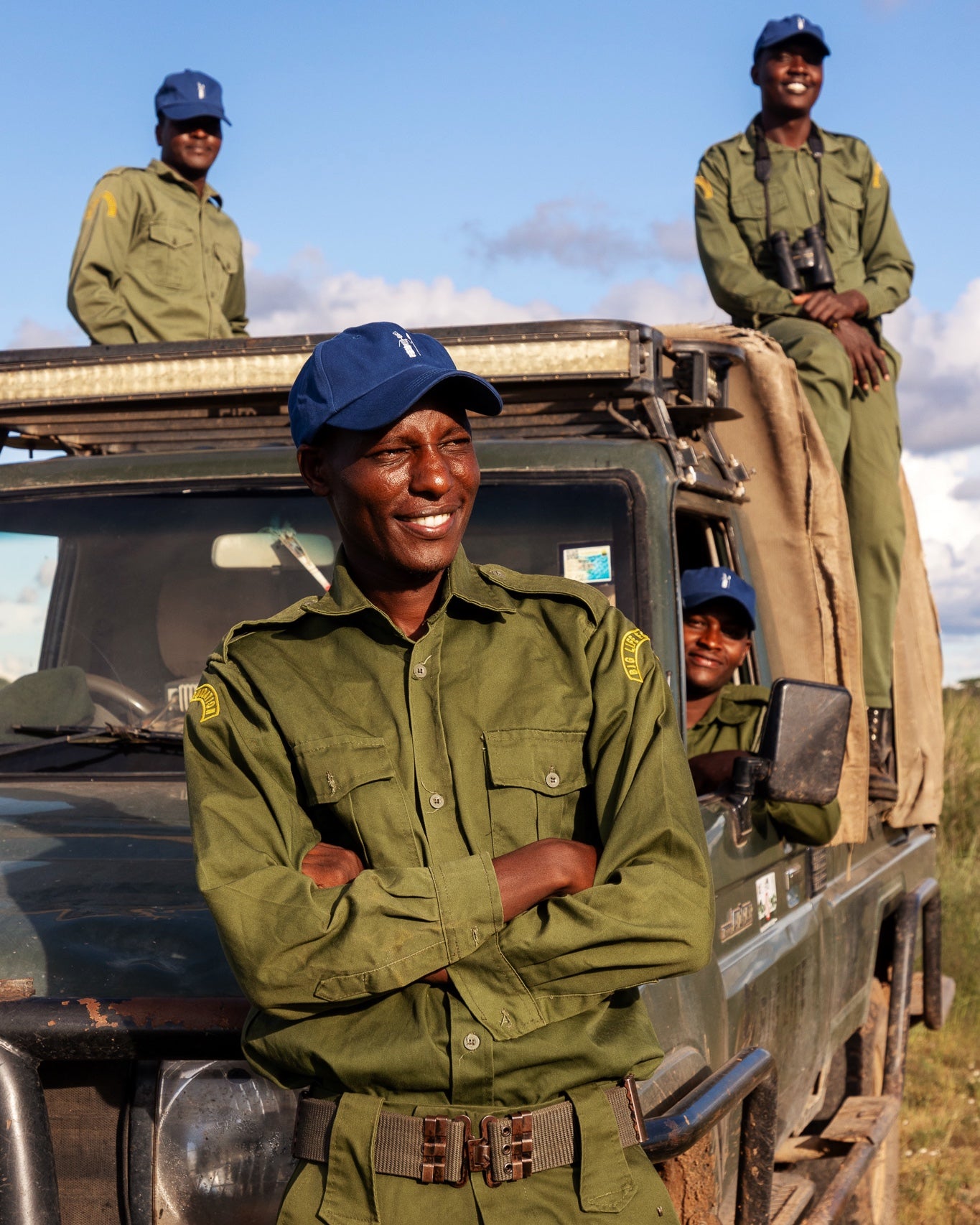
Calves remain at the nursery until they are five years old before transitioning to a 1,000-acre soft-release site donated by the local tribe. There, they spend the next five years living as a cohesive herd with minimal handler interaction, tracked by field guards and monitored via specialized tracking collars worn by the herd's matriarch to safely prepare the animals for their eventual return to the wild.
Sheldrick Wildlife Trust - Baby Elephant Rescue


Rewild


© Elephant Havens

When the time comes, Elephant Havens prepares its bonded herds for reintroduction into the wild by equipping the animals with specialised tracking collars. For the subsequent 10 years, the team leverages satellite tracking and advanced artificial intelligence modeling to continuously monitor the released herd’s movements, social dynamics, and foraging behaviors. 

In partnership with The Colossal Foundation, this AI technology analyses data and video to map leadership models and ensure the motherless family units successfully adapt to the wilderness. This prolonged, a decade-long supervision allows conservationists to study long-term rewilding patterns, protect the elephants from human-wildlife conflict, and ultimately safeguard their future in their natural habitat.

Habitat Protection & Community Outreach

Elephant Havens works with local governments and community leaders to set aside natural land as a wildlife refuge. Their model proves that successful habitat protection relies entirely on deep community inclusion. Instead of separating people from the land, the sanctuary integrates local communities into the conservation economy. 

A prime example is their innovative elephant dung paper initiative. Elephant Havens employs local villagers, particularly women, to harvest and process the abundant fiber-rich waste into premium, handcrafted paper products. When local families gain a direct financial stake in the well-being of the herds, the historical friction of human-wildlife conflict transforms into peaceful coexistence. By providing these sustainable livelihoods, the sanctuary reduces the economic pressures that lead to poaching and defensive deforestation. 

Furthermore, Elephant Havens addresses community safety and resource scarcity by operating a school bus to keep children out of dangerous elephant corridors and digging boreholes for reliable water access. 

Ultimately, this comprehensive approach transforms human-wildlife conflict into peaceful coexistence, securing vital wildlife corridors by empowering the people who live alongside them to become their primary guardians.
Sheldrick Wildlife Trust - Baby Elephant Rescue


© Elephant Havens

Sheldrick Wildlife Trust - Baby Elephant Rescue


© Elephant Havens

Sheldrick Wildlife Trust - Baby Elephant Rescue


© Elephant Havens

Sheldrick Wildlife Trust - Baby Elephant Rescue


© Elephant Havens


Shop to save orphaned elephants

PP-DEBUG: Current path: /pages/elephant-havens